
Ever feel like you're throwing darts blindfolded when investing in crypto? You see the hype, hear the promises, but understandingwhya particular token might succeed (or fail spectacularly) remains a mystery? You're not alone. Many investors jump into the crypto world without understanding the fundamental mechanics driving a project's long-term viability.
Without a clear understanding of the economic forces at play, investors often find themselves vulnerable to pump-and-dump schemes, unsustainable projects, or simply making poor investment decisions based on hype rather than substance. The complexities of token supply, distribution, and incentive mechanisms can feel overwhelming, leading to frustration and potential financial losses.
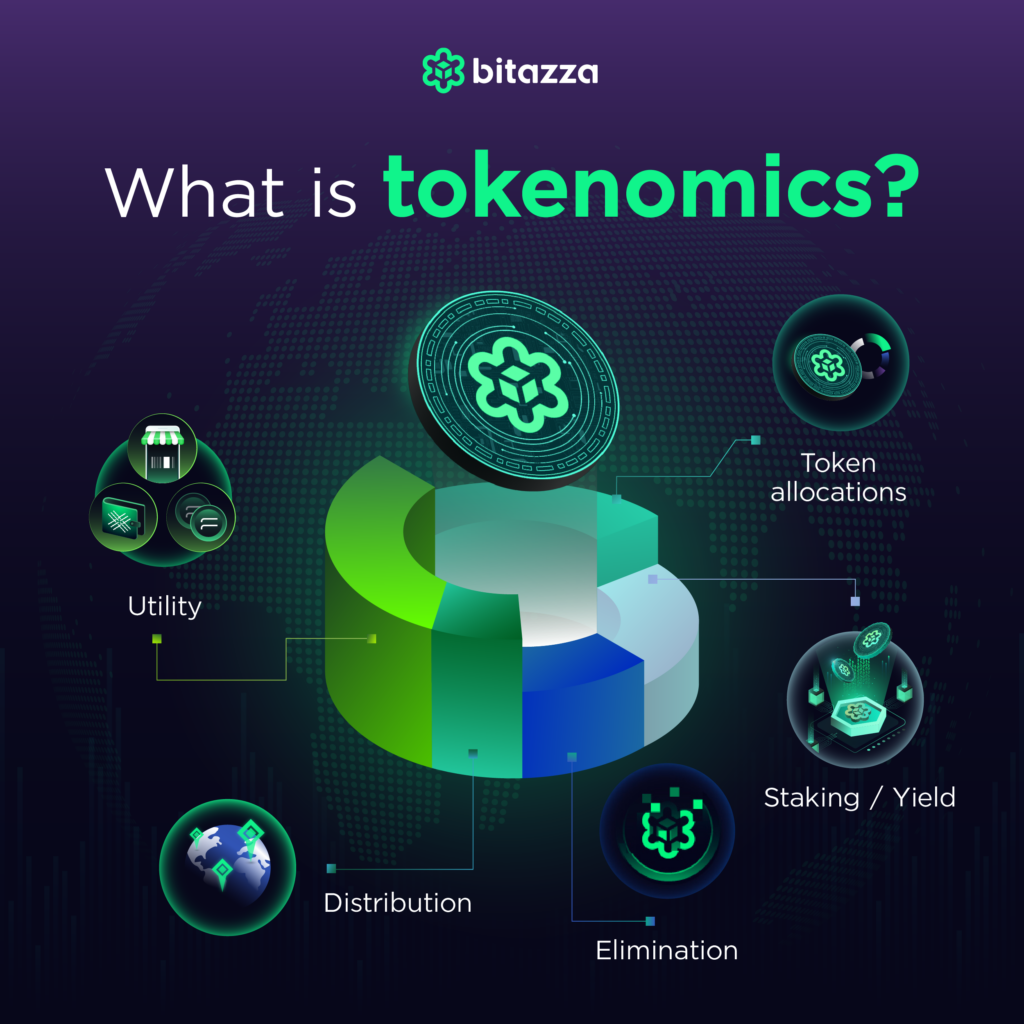
Tokenomics, short for "token economics," is the study of how a cryptocurrency or token's supply, distribution, and incentive mechanisms affect its overall value and success. It encompasses all the factors that influence the economic behavior of a token within a blockchain ecosystem. It's about understanding how the token is designed to function, who benefits from it, and how its value is sustained (or not) over time.
This article has explored the fundamental concept of tokenomics, highlighting its importance in assessing the long-term viability and potential of cryptocurrency projects. By understanding the different elements of tokenomics, such as supply, distribution, incentives, and governance, investors can make more informed decisions and navigate the complex world of crypto with greater confidence.
What is Tokenomics? Understanding Crypto Economics
My first foray into crypto was exciting, but also terrifying. I heard about a new project promising incredible returns. Lured by the potential, I invested without truly understanding the underlying mechanics. The price initially soared, then plummeted. It was a painful lesson in the importance of understanding tokenomics. Now, I wouldn't dream of investing in a project without first deeply analyzing its tokenomics. This includes understanding the total supply of tokens, how they are distributed (e.g., through a presale, airdrop, or mining), the vesting schedules for team members and early investors, and any mechanisms in place to control inflation or deflation. Are tokens burned? Is there staking involved? Are there incentives for holding the tokens? Understanding these key aspects is crucial for assessing the project's long-term sustainability and potential for success.
For example, a project with a massive initial supply and no deflationary mechanisms might be prone to inflation, potentially devaluing your investment over time. Conversely, a project with a limited supply and mechanisms to burn tokens might see its value increase due to scarcity. The distribution of tokens is also critical. A highly centralized distribution, where a small number of individuals or entities hold a significant portion of the tokens, can make the project vulnerable to manipulation and control.
What is Tokenomics? Understanding Crypto Economics
At its core, tokenomics is about designing a sustainable and thriving ecosystem around a digital asset. It goes beyond just creating a cryptocurrency; it's about crafting an entire economic system. Consider Bitcoin. Its tokenomics are relatively simple: a fixed supply of 21 million coins, a halving schedule that reduces the reward for miners over time, and a proof-of-work consensus mechanism that incentivizes network participation. These simple rules have created a decentralized and secure network that has proven its resilience over more than a decade. Other projects, however, have far more complex tokenomics, often involving staking, governance tokens, and various other mechanisms designed to incentivize specific behaviors.
Think of tokenomics as the blueprint for a digital economy. It dictates how the "money" (the token) is created, distributed, and used within the system. A well-designed tokenomics model can attract users, incentivize participation, and drive long-term value creation. A poorly designed model, on the other hand, can lead to inflation, volatility, and ultimately, the project's demise. Therefore, when evaluating a cryptocurrency project, it's essential to delve into the details of its tokenomics and understand how it is designed to function and create value.
What is Tokenomics? Understanding Crypto Economics
While "tokenomics" as a term is relatively new, the underlying principles of economics have been around for centuries. Early forms of currency, like shells or precious metals, had inherent properties that influenced their value. Scarcity, durability, and divisibility were key factors. The myth surrounding tokenomics often involves the idea that a complex and intricate tokenomics model automatically guarantees success. This is far from the truth. A complex model can be difficult to understand and potentially lead to unintended consequences. In reality, a simple and well-executed tokenomics model can be more effective than a complex and poorly designed one.
For instance, some projects use token burns to create artificial scarcity. While this can be effective in the short term, it's not a sustainable long-term strategy if the project lacks real utility and demand. Similarly, some projects offer high staking rewards to attract users, but this can lead to inflation and ultimately devalue the token. The history of crypto is littered with projects that failed despite having seemingly impressive tokenomics models. This underscores the importance of looking beyond the surface and understanding the underlying principles driving the token's value.
What is Tokenomics? Understanding Crypto Economics
The hidden secret of successful tokenomics is alignment. It's about aligning the incentives of all participants in the ecosystem – the developers, the users, and the investors. When everyone is incentivized to contribute to the project's success, the token is more likely to thrive. This alignment is often achieved through well-designed staking mechanisms, governance systems, and other incentive programs. However, this "secret" is rarely discussed openly. Instead, projects often focus on the technical aspects of their blockchain or the potential use cases of their token, neglecting to highlight the crucial role that tokenomics plays in their success.
Think of it as a puzzle where all the pieces need to fit together perfectly. If even one piece is missing or misaligned, the entire puzzle can fall apart. For example, if developers are incentivized to create new features but users are not incentivized to use them, the project will struggle to gain traction. Similarly, if investors are only focused on short-term profits and not on the long-term sustainability of the project, they may make decisions that ultimately harm the ecosystem. The key is to create a virtuous cycle where all participants benefit from the project's success and are incentivized to contribute to its growth.
What is Tokenomics? Understanding Crypto Economics
My recommendation for anyone looking to invest in crypto is simple: do your research. Don't just rely on hype or promises. Dig into the project's tokenomics and understand how the token is designed to function. Look at the supply, distribution, incentives, and governance mechanisms. Ask yourself: Does this model make sense? Is it sustainable? Are the incentives aligned? Use resources like whitepapers, project websites, and community forums to gather information. Furthermore, use blockchain explorers to verify the token's supply and distribution. Don't be afraid to ask questions and challenge assumptions.
There are many excellent resources available online that can help you learn more about tokenomics. Websites like Coin Market Cap and Coin Gecko provide basic information about token supply and market capitalization. Websites like Messari offer more in-depth analysis of crypto projects, including their tokenomics models. Ultimately, the best way to learn about tokenomics is to get involved in the crypto community, attend events, and network with other investors and developers. By immersing yourself in the space, you'll gain a deeper understanding of the forces driving the crypto market and be better equipped to make informed investment decisions.
What is Tokenomics? Understanding Crypto Economics and related keywords
Delving deeper, consider the concept of "token velocity." This refers to how frequently a token changes hands within a given period. A high token velocity can indicate that the token is being actively used within the ecosystem, while a low velocity might suggest that users are simply holding onto their tokens, potentially indicating a lack of utility or adoption. Token velocity is closely tied to the utility of the token. If the token has a clear and compelling use case, it's more likely to be used frequently, resulting in a higher velocity.
Another important aspect of tokenomics is the governance model. How are decisions made about the project's future? Are token holders able to participate in these decisions? A decentralized governance model, where token holders have the power to vote on proposals and influence the direction of the project, can be a positive sign. It indicates that the project is committed to community involvement and transparency. However, it's important to remember that governance models can also be manipulated. Therefore, it's crucial to understand how the governance system works and whether it is truly decentralized and fair.
What is Tokenomics? Understanding Crypto Economics
Here are a few tips for evaluating a project's tokenomics. First, look for transparency. The project should be open and honest about its tokenomics model. The whitepaper should clearly explain the supply, distribution, incentives, and governance mechanisms. Second, consider the incentives. Are the incentives aligned for all participants in the ecosystem? Are the developers, users, and investors all incentivized to contribute to the project's success? Third, assess the sustainability of the model. Is the model designed to last? Are there mechanisms in place to control inflation or deflation?
Another crucial tip is to understand the competitive landscape. How does the project's tokenomics model compare to that of its competitors? Does it offer any unique advantages? Finally, don't be afraid to ask questions. If you don't understand something, reach out to the project team or community and ask for clarification. Remember, there are no dumb questions. It's better to ask and understand than to invest blindly. By following these tips, you'll be well on your way to becoming a savvy crypto investor.
What is Tokenomics? Understanding Crypto Economics and related keywords
Let's explore a specific example. Consider a decentralized finance (De Fi) project that utilizes a governance token. This token grants holders the right to vote on proposals related to the protocol's development and parameters. The tokenomics of this project might involve staking rewards, where token holders can earn additional tokens by locking up their tokens in a smart contract. This incentivizes long-term holding and participation in the governance process.
The success of this project hinges on several factors. First, the governance system must be fair and transparent. Token holders must have a meaningful say in the project's future. Second, the staking rewards must be attractive enough to incentivize participation, but not so high that they lead to inflation. Third, the project must have a clear and compelling use case that attracts users and generates demand for the token. By carefully analyzing these factors, you can assess the potential of this De Fi project and make an informed investment decision.
What is Tokenomics? Understanding Crypto Economics
Here's a fun fact: Did you know that some cryptocurrency projects have implemented "token burning" mechanisms that are similar to stock buybacks in traditional finance? The goal is the same: to reduce the circulating supply of the asset and potentially increase its value. Another interesting fact is that the term "tokenomics" itself is a relatively new addition to the crypto lexicon, gaining widespread usage in the past few years as the industry has matured and investors have become more sophisticated. It’s fascinating how quickly the language of crypto evolves!
Another quirky fact involves the "lobster distribution" meme. This refers to a fair token distribution method where tokens are distributed widely and evenly to the community, avoiding concentration in the hands of a few. The idea is that a decentralized and inclusive distribution fosters a stronger and more resilient ecosystem. While often humorous, these quirky elements highlight the creative and innovative spirit of the crypto community and its constant search for new and better ways to design and manage digital economies.
What is Tokenomics? Understanding Crypto Economics
So, how do youdotokenomics? In essence, it's about designing an economic system around your token that encourages desired behaviors and discourages undesirable ones. This involves carefully considering the following steps: Define the purpose of your token. What problem does it solve? What utility does it provide? Determine the total supply of tokens. How many tokens will be created? Will there be a fixed supply or an inflationary/deflationary model? Establish a distribution mechanism. How will the tokens be distributed to the community? Through a presale, airdrop, or mining?
Next, create an incentive structure. How will you incentivize users to hold, use, and contribute to the token? Consider staking rewards, governance rights, or other benefits. Finally, establish a governance model. How will decisions be made about the project's future? Will token holders have a say in these decisions? By following these steps, you can design a tokenomics model that is tailored to your specific project and its goals. Remember, there is no one-size-fits-all solution. The best tokenomics model is the one that is best suited to your project's unique characteristics and objectives.
What is Tokenomics? Understanding Crypto Economics
What if the tokenomics of a project are poorly designed? What are the potential consequences? In the worst-case scenario, a poorly designed tokenomics model can lead to the complete failure of the project. If the token is inflationary and lacks utility, its value will likely plummet, leaving investors with worthless tokens. If the token distribution is highly centralized, the project may be vulnerable to manipulation and control.
Even if the project doesn't fail completely, poor tokenomics can significantly hinder its growth and adoption. If the incentives are not aligned, users may be reluctant to participate in the ecosystem. If the governance model is flawed, the project may make poor decisions that ultimately harm its long-term prospects. Therefore, it's crucial to carefully evaluate a project's tokenomics before investing. A well-designed tokenomics model is essential for the long-term success of any cryptocurrency project.
What is Tokenomics? Understanding Crypto Economics
Here's a listicle of key elements to consider when analyzing a project's tokenomics:
- Total Supply: How many tokens exist? Is it fixed or can it increase?
- Distribution: How were tokens initially distributed? Was it fair?
- Utility: What can the token be used for? Does it have real-world value?
- Incentives: How are users incentivized to hold and use the token?
- Governance: Can token holders participate in decision-making?
- Inflation/Deflation: Are there mechanisms to control token supply?
- Vesting Schedules: When can team members and early investors sell their tokens?
- Token Velocity: How frequently does the token change hands?
- Market Cap: What is the total value of all tokens in circulation?
- Community Sentiment: What does the community think of the tokenomics?
By carefully considering these elements, you can gain a comprehensive understanding of a project's tokenomics and make more informed investment decisions. Remember, knowledge is power in the crypto world. The more you understand about tokenomics, the better equipped you'll be to navigate the complexities of the market and identify promising investment opportunities.
Question and Answer
Q: What's the difference between tokenomics and economics?
A: Economics is a broad social science studying the production, distribution, and consumption of goods and services. Tokenomics specifically applies economic principles to the design and management of cryptocurrency tokens within a blockchain ecosystem. It focuses on how these tokens function as economic incentives and drive behavior within the network.
Q: Why is tokenomics important for investors?
A: Understanding tokenomics helps investors assess the long-term sustainability and potential of a crypto project. It allows them to evaluate whether the token's design encourages adoption, incentivizes participation, and creates value for token holders.
Q: What are some red flags to look for in a project's tokenomics?
A: Some red flags include a highly centralized token distribution, a lack of transparency regarding the token's utility, unsustainable staking rewards that lead to inflation, and a lack of community governance.
Q: Where can I learn more about tokenomics?
A: You can learn more about tokenomics through various resources, including whitepapers, project websites, crypto news outlets, online courses, and community forums.
Conclusion of What is Tokenomics? Understanding Crypto Economics
Understanding tokenomics is no longer optional; it's essential. By understanding the intricacies of token supply, distribution, incentives, and governance, you can equip yourself with the knowledge and tools necessary to navigate the complex world of crypto and make informed decisions. Take the time to research, analyze, and understand the tokenomics of any project you're considering investing in. Your future portfolio will thank you for it.
