
Imagine a world where your medical records are not only easily accessible to your doctors but are also virtually impenetrable to unauthorized access. Sounds like something out of a science fiction movie, right? Well, it's closer to reality than you might think, thanks to the innovative application of blockchain technology in healthcare.
The current landscape of healthcare data management presents several challenges. Sensitive patient information is often scattered across various systems, creating vulnerabilities to data breaches and making it difficult to ensure data integrity. This fragmentation and lack of interoperability can hinder efficient healthcare delivery and compromise patient privacy.
Blockchain technology offers a promising solution to these concerns by providing a secure, transparent, and decentralized platform for managing healthcare data. By leveraging its inherent cryptographic security and immutable ledger, blockchain can enhance data integrity, improve access control, and facilitate secure data sharing among authorized parties. Ultimately, this can lead to a more efficient and patient-centric healthcare system.
In essence, blockchain's decentralized, secure, and transparent nature addresses key vulnerabilities in traditional healthcare data management. By focusing on data integrity, access control, and secure sharing, blockchain provides a robust framework for safeguarding patient information. This includes using cryptographic hashing to secure data, distributed ledgers to create immutable records, and smart contracts to automate access and data sharing. The convergence of blockchain with healthcare promises a future where patient data is both protected and readily available for informed clinical decision-making. Key terms associated with this are data security, healthcare, blockchain, data management, patient privacy, and cybersecurity.
Personal Experiences with Healthcare Data Security
I once witnessed firsthand the frustration and anxiety caused by a data breach at a local clinic. A friend of mine received a notification that her personal health information might have been compromised due to a cybersecurity incident. The sheer panic and uncertainty she experienced were palpable. It highlighted to me the critical need for more robust security measures in healthcare data management. This event really drove home the need for solutions like blockchain that can significantly reduce the risk of such breaches. Imagine a system where every change to a patient record is permanently and transparently recorded on a distributed ledger. The potential to detect and prevent unauthorized alterations or access is immense.
Blockchain's application in healthcare isn't just theoretical; it's being actively explored and implemented in various pilot projects around the world. One example is the use of blockchain to manage pharmaceutical supply chains, ensuring the authenticity and provenance of medications, therefore, reducing the risk of counterfeit drugs. Another promising application is in clinical trials, where blockchain can be used to securely and transparently record data, improving the integrity and reliability of the results. It provides an immutable record of the research, which would be tamper-proof. As more healthcare organizations adopt blockchain technology, we can expect to see a significant improvement in data security, patient privacy, and overall efficiency of the healthcare system. It's not a silver bullet, but it's a powerful tool in the ongoing battle against data breaches and security threats.
Understanding Blockchain in Healthcare Data
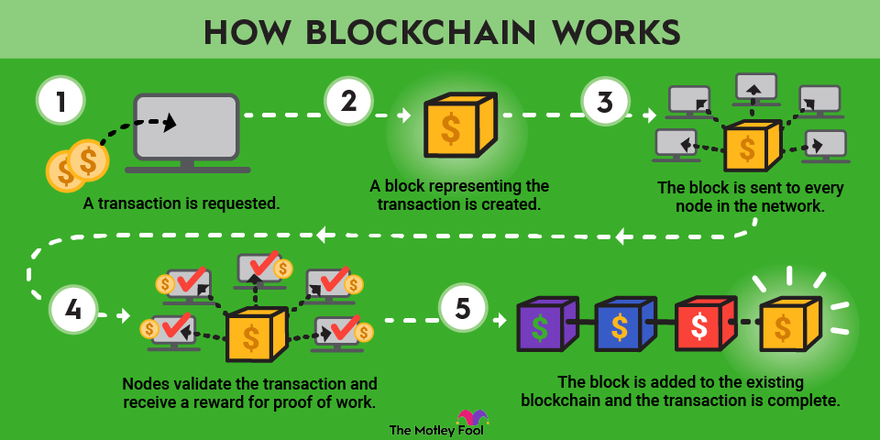
Blockchain technology, at its core, is a distributed, immutable ledger that records transactions across many computers. This decentralized nature makes it resistant to tampering and single points of failure. In the context of healthcare data, this means that patient records can be stored securely and shared among authorized parties without the risk of unauthorized access or alteration. Every transaction, such as a change to a medical record, is recorded as a "block" and added to the "chain" in a chronological and tamper-proof manner. This ensures that the integrity of the data is maintained throughout its lifecycle.
The application of blockchain in healthcare extends beyond simple data storage. It can also be used to manage patient identities, track medications, and facilitate secure data sharing among healthcare providers. For example, a patient could use a blockchain-based identity system to control who has access to their medical records, granting permission to specific doctors or hospitals. Furthermore, smart contracts, self-executing agreements written in code, can be used to automate data sharing and ensure compliance with privacy regulations like HIPAA. The benefits of blockchain in healthcare are numerous, including improved data security, increased transparency, enhanced interoperability, and reduced administrative costs. However, there are also challenges to overcome, such as scalability, regulatory uncertainty, and the need for industry-wide collaboration to establish standards and protocols. Blockchain has the potential to become a cornerstone of modern healthcare data management.
History and Myths Surrounding Blockchain Security
The concept of blockchain originated in 2008 with the creation of Bitcoin, a decentralized digital currency. While Bitcoin demonstrated the potential of blockchain technology, its application to healthcare data management is a more recent development. The early days of blockchain were marked by skepticism and misconceptions, with many people viewing it solely as a technology for cryptocurrencies. One common myth was that blockchain was inherently anonymous and could not be used in regulated industries like healthcare, where patient privacy is paramount. This misconception stemmed from the association of Bitcoin with illicit activities and the belief that blockchain was incompatible with privacy regulations like HIPAA.
However, as blockchain technology matured, it became clear that it could be adapted to meet the specific requirements of the healthcare industry. Permissioned blockchains, where access is restricted to authorized participants, emerged as a viable solution for managing sensitive patient data. These blockchains offer the benefits of decentralization and immutability while providing the necessary controls to ensure compliance with privacy regulations. Another myth surrounding blockchain security is that it is completely impenetrable. While blockchain is highly secure, it is not immune to all forms of attack. Vulnerabilities can exist in the implementation of blockchain systems, such as smart contract bugs or weak encryption algorithms. Therefore, it is essential to implement robust security measures and conduct thorough audits to ensure the integrity of blockchain-based healthcare systems. The journey of blockchain from a niche technology to a promising solution for healthcare data management has been marked by both hype and skepticism. As the technology continues to evolve, it is important to separate fact from fiction and focus on its potential to improve the security, transparency, and efficiency of the healthcare system.
The Hidden Secrets of Blockchain Data Security
One of the hidden secrets of blockchain's data security lies in its cryptographic foundation. Blockchain relies heavily on cryptographic hash functions, which are mathematical algorithms that take an input of any size and produce a fixed-size output, or hash. These hash functions are designed to be one-way, meaning that it is computationally infeasible to reverse the process and determine the original input from the hash. In blockchain, each block contains the hash of the previous block, creating a chain of interconnected blocks that is virtually impossible to tamper with. If someone were to try to alter a block, the hash of that block would change, and all subsequent blocks in the chain would also need to be modified, which would require an immense amount of computing power.
Another hidden secret is the role of consensus mechanisms in ensuring data integrity. Blockchain networks use consensus mechanisms, such as proof-of-work or proof-of-stake, to validate new blocks and ensure that all participants agree on the state of the ledger. These mechanisms prevent malicious actors from adding fraudulent blocks to the chain or altering existing blocks. They require a significant amount of computational effort or stake to be expended by participants, making it economically infeasible to launch an attack. Furthermore, the decentralized nature of blockchain ensures that there is no single point of failure. Even if some nodes in the network are compromised, the remaining nodes can continue to operate and maintain the integrity of the ledger. The combination of cryptographic hashing, consensus mechanisms, and decentralization makes blockchain a highly secure platform for managing sensitive healthcare data. It's like having a digital vault that is protected by multiple layers of security, making it extremely difficult for unauthorized individuals to access or tamper with the information stored within.
Recommendations for Implementing Blockchain Security
When considering implementing blockchain technology to enhance security in healthcare data management, there are several key recommendations to keep in mind. First and foremost, it is crucial to conduct a thorough assessment of your organization's specific needs and requirements. Not all healthcare organizations are the same, and the optimal blockchain solution will vary depending on factors such as the size of the organization, the types of data being managed, and the regulatory environment in which it operates.
Secondly, it is essential to choose the right type of blockchain for your specific use case. Permissioned blockchains, where access is restricted to authorized participants, are generally more suitable for managing sensitive healthcare data than public blockchains, which are open to anyone. Permissioned blockchains offer greater control over data access and privacy, making them better suited for complying with regulations like HIPAA. Thirdly, it is important to implement robust security measures to protect the blockchain system from attack. This includes using strong encryption algorithms, implementing multi-factor authentication, and regularly auditing the system for vulnerabilities. Furthermore, it is crucial to educate healthcare professionals about the benefits and risks of blockchain technology. It requires a collaborative effort to ensure that everyone understands how the system works and how to use it safely and effectively. The successful implementation of blockchain security in healthcare requires careful planning, a thorough understanding of the technology, and a commitment to ongoing security and training. It's not a one-size-fits-all solution, but it can be a powerful tool for enhancing data security and improving patient care.
The Technical Aspects of Blockchain Security
Delving into the technical aspects of blockchain security reveals why it's such a robust solution for protecting sensitive healthcare data. At its heart, blockchain leverages cryptographic principles to ensure data integrity and authenticity. The use of hashing algorithms creates a digital fingerprint for each block of data, making it virtually impossible to tamper with the information without detection. If even a single bit of data is altered, the hash value changes, alerting the network to the unauthorized modification.
Furthermore, blockchain employs digital signatures to verify the identity of participants and ensure that transactions are authorized. Each user has a private key, which is used to create a digital signature, and a corresponding public key, which is used to verify the signature. This ensures that only the authorized user can initiate transactions or make changes to the data. In addition to cryptography, blockchain also relies on consensus mechanisms to maintain the integrity of the ledger. These mechanisms, such as Proof-of-Work (Po W) or Proof-of-Stake (Po S), require participants to expend computational effort or stake their holdings to validate new blocks. This makes it economically infeasible for malicious actors to control the network and manipulate the data. The technical details of blockchain security are complex, but the underlying principles are relatively straightforward. By combining cryptography, digital signatures, and consensus mechanisms, blockchain provides a robust and secure platform for managing sensitive healthcare data. It's like having a digital fortress that is constantly monitored and protected by a team of skilled cryptographers and security experts.
Tips for Maintaining Blockchain Data Security
Maintaining blockchain data security requires a proactive and vigilant approach. It's not enough to simply implement a blockchain system and assume that it is automatically secure. There are several steps that healthcare organizations can take to ensure that their blockchain-based systems remain protected from threats.
Firstly, it is essential to regularly audit the system for vulnerabilities. This includes conducting penetration testing, code reviews, and security assessments to identify and address any weaknesses in the system. Secondly, it is important to implement strong access controls to limit who has access to the blockchain network and the data stored within it. This includes using multi-factor authentication, role-based access control, and encryption to protect sensitive data. Thirdly, it is crucial to stay up-to-date on the latest security threats and vulnerabilities. The threat landscape is constantly evolving, and healthcare organizations need to be aware of the latest attacks and techniques used by malicious actors. In addition to these technical measures, it is also important to educate healthcare professionals about the importance of blockchain data security. They need to understand how the system works, how to use it safely, and how to identify and report potential security incidents. Maintaining blockchain data security is an ongoing process that requires a combination of technical expertise, vigilance, and education. It's like tending a garden, requiring constant weeding, pruning, and watering to ensure that it thrives and remains protected from pests and diseases. This proactive approach will help to protect sensitive patient data and ensure the integrity of the healthcare system.
The Role of Encryption in Blockchain Security
Encryption is a cornerstone of blockchain security, playing a crucial role in protecting sensitive healthcare data from unauthorized access. It involves converting data into an unreadable format, known as ciphertext, using a cryptographic algorithm and a secret key. Only individuals with the correct key can decrypt the ciphertext and access the original data. In blockchain, encryption is used to protect both the data stored on the ledger and the communications between participants. Data encryption ensures that even if an unauthorized individual gains access to the blockchain, they will not be able to read or understand the information stored within it. Communication encryption protects the privacy and integrity of data transmitted between participants, preventing eavesdropping and tampering.
There are several different types of encryption algorithms used in blockchain, including symmetric encryption, where the same key is used for encryption and decryption, and asymmetric encryption, where separate keys are used for encryption and decryption. Asymmetric encryption is particularly useful for securing transactions and verifying the identity of participants, as it allows users to digitally sign messages and prove their authenticity without revealing their private key. The strength of encryption algorithms is constantly evolving, and healthcare organizations need to stay up-to-date on the latest advances to ensure that their blockchain systems remain secure. Outdated or weak encryption algorithms can be vulnerable to attack, potentially compromising the security of the entire system. Encryption is a vital tool for protecting sensitive healthcare data in blockchain systems, but it is only one piece of the puzzle. It must be combined with other security measures, such as access controls, intrusion detection systems, and regular security audits, to provide a comprehensive defense against cyber threats.
Fun Facts About Blockchain in Healthcare
Did you know that the first proposed use of blockchain in healthcare wasn't for securing patient records but for managing clinical trial data? It was envisioned as a way to ensure the integrity and transparency of research, making it more difficult to manipulate results. Another fun fact is that some healthcare organizations are exploring the use of blockchain to create a "patient-centric" healthcare system. The idea is to give patients complete control over their medical records, allowing them to share their data with doctors, researchers, and other healthcare providers as they see fit. This would empower patients to make informed decisions about their health and participate more actively in their care.
One more interesting tidbit: blockchain could revolutionize organ donation by creating a secure and transparent system for matching donors and recipients. This would help to reduce fraud and ensure that organs are allocated fairly and efficiently. While blockchain is still in its early stages of adoption in healthcare, there are already numerous exciting applications being explored. From securing patient records to streamlining clinical trials and revolutionizing organ donation, blockchain has the potential to transform the healthcare industry in profound ways. And who knows, maybe one day we'll even be using blockchain to track the health of our pets!
How to Implement Blockchain in Your Healthcare System
Implementing blockchain in a healthcare system is a complex undertaking that requires careful planning and execution. The first step is to identify the specific use case that you want to address. Are you looking to improve data security, streamline clinical trials, or create a patient-centric healthcare system? Once you have identified the use case, you can begin to evaluate different blockchain platforms and solutions. There are several blockchain platforms specifically designed for healthcare applications, each with its own strengths and weaknesses.
Next, you will need to assemble a team of experts, including blockchain developers, healthcare professionals, and security specialists. This team will be responsible for designing, implementing, and maintaining the blockchain system. It is also important to consider the regulatory environment in which you operate. Healthcare data is subject to strict privacy regulations, such as HIPAA, and you need to ensure that your blockchain system complies with all applicable laws and regulations. Furthermore, you will need to integrate your blockchain system with existing healthcare systems, such as electronic health records (EHRs). This can be a challenging task, as many healthcare systems are not designed to interoperate with blockchain. Finally, it is important to test the system thoroughly before deploying it to a production environment. This includes conducting penetration testing, security audits, and user acceptance testing to ensure that the system is secure, reliable, and user-friendly. Implementing blockchain in a healthcare system is not a quick or easy process, but with careful planning and execution, it can deliver significant benefits, including improved data security, increased transparency, and enhanced patient care.
What If Blockchain Was Widely Adopted in Healthcare?
Imagine a world where blockchain technology is widely adopted across the healthcare industry. What would it look like? For starters, patient data would be more secure than ever before. Medical records would be stored on a decentralized ledger, making it virtually impossible for hackers to access or tamper with them. Patients would have complete control over their data, deciding who has access to their medical records and for what purpose.
Clinical trials would be more efficient and transparent. Blockchain would be used to track data in real-time, ensuring the integrity and accuracy of the results. Pharmaceutical supply chains would be more secure, reducing the risk of counterfeit drugs. Healthcare costs could be lower, thanks to reduced administrative overhead and improved efficiency. Patients would be able to easily share their medical records with doctors, researchers, and other healthcare providers, leading to better coordination of care. The healthcare industry would be more innovative, with new blockchain-based applications and services emerging all the time. Of course, there would also be challenges to overcome. The transition to blockchain would require significant investment and training. There would be concerns about scalability, regulatory uncertainty, and the need for industry-wide collaboration. However, the potential benefits of widespread blockchain adoption in healthcare are enormous. It could transform the industry, making it more secure, efficient, and patient-centric. It's a future worth striving for!
Listicle: Benefits of Blockchain in Healthcare Data Management
Here are some key benefits of using blockchain technology to enhance security in healthcare data management:
- Enhanced Data Security: Blockchain's decentralized and cryptographic nature makes it extremely difficult for unauthorized individuals to access or tamper with patient data.
- Improved Data Integrity: The immutable ledger ensures that patient records are accurate and complete, reducing the risk of errors and fraud.
- Increased Transparency: Blockchain allows for transparent tracking of data access and modifications, improving accountability and trust.
- Streamlined Data Sharing: Blockchain facilitates secure and efficient data sharing among authorized healthcare providers, improving coordination of care.
- Patient Empowerment: Blockchain can give patients more control over their medical records, allowing them to decide who has access to their data.
- Reduced Costs: Blockchain can automate administrative tasks and reduce the risk of fraud, leading to lower healthcare costs.
- Enhanced Interoperability: Blockchain can improve the interoperability of healthcare systems, allowing for seamless data exchange between different providers.
- Improved Clinical Trial Efficiency: Blockchain can streamline clinical trials by tracking data in real-time and ensuring the integrity of the results.
- Secure Pharmaceutical Supply Chain: Blockchain can help to prevent the distribution of counterfeit drugs by tracking medications from manufacturer to patient.
- Increased Innovation: Blockchain can spur innovation in healthcare by creating new opportunities for blockchain-based applications and services.
Question and Answer
Here are some frequently asked questions about blockchain technology and its application in healthcare data management:
Q: Is blockchain really secure?
A: Yes, blockchain is considered to be a highly secure technology due to its decentralized nature, cryptographic hashing, and consensus mechanisms. However, it's important to implement robust security measures and stay up-to-date on the latest threats to ensure that the system remains protected.
Q: How does blockchain protect patient privacy?
A: Blockchain can be used to protect patient privacy by controlling access to medical records and ensuring that data is only shared with authorized individuals. Encryption and other security measures can also be used to protect sensitive data.
Q: What are the challenges of implementing blockchain in healthcare?
A: Some of the challenges include scalability, regulatory uncertainty, and the need for industry-wide collaboration to establish standards and protocols. It also requires significant investment and training to implement blockchain effectively.
Q: Is blockchain the future of healthcare data management?
A: Blockchain has the potential to transform the healthcare industry by improving data security, increasing transparency, and enhancing patient care. While it's not a silver bullet, it's a promising technology that could play a significant role in the future of healthcare.
Conclusion of How Blockchain Technology Enhances Security in Healthcare Data Management
The convergence of blockchain technology and healthcare data management holds immense promise for creating a more secure, transparent, and patient-centric healthcare ecosystem. While challenges remain in terms of implementation and regulatory clarity, the potential benefits of improved data integrity, enhanced access control, and secure data sharing are undeniable. As the healthcare industry continues to grapple with the ever-increasing threat of cyberattacks and the need for better data management practices, blockchain offers a compelling solution that warrants serious consideration. By embracing this innovative technology, we can pave the way for a future where patient data is not only protected but also readily available to drive informed clinical decision-making and improve overall healthcare outcomes.
