
Imagine a world where every vote is undeniably secure, transparent, and verifiable. A world where doubts about election integrity are a thing of the past. Sounds like a dream? It might be closer than you think.
We've all seen the headlines, heard the concerns, and perhaps even felt a knot of anxiety when election results are contested. The current system, with its reliance on paper ballots or electronic voting machines, can feel vulnerable to manipulation, technical glitches, and plain old human error. This erodes trust and makes many people question the very foundation of democracy.
This article explores how blockchain technology can revolutionize elections, making them more secure, transparent, and accessible. By leveraging the unique properties of blockchain, we can create a voting system that is virtually tamper-proof, auditable by anyone, and more convenient for voters.
In essence, we'll delve into how blockchain's immutability and transparency can fortify elections against fraud, increase voter participation through easier access, and restore public trust in the democratic process. This article will explore the technical aspects, potential challenges, and the transformative impact of blockchain on the future of voting. From personal anecdotes to historical context and practical tips, we'll cover everything you need to know about blockchain and its potential to secure our elections.
My First Brush with Election Insecurity
I remember volunteering at a local election a few years ago. The sheer volume of paper ballots was overwhelming, and the process of manually counting and verifying them seemed incredibly prone to errors. There was a palpable tension in the room, a sense that even with the best intentions, mistakes could be made that would impact the outcome. The whole experience left me wondering if there wasn't a better, more reliable way to ensure the integrity of our elections. Later, when I started learning about blockchain technology, the idea of using it for voting seemed like a natural fit. Blockchain's inherent security features, like its decentralized and immutable nature, offer a compelling solution to many of the challenges we face with current voting systems. Imagine each vote being recorded as a transaction on a blockchain, secured by cryptography and distributed across a network of computers. This would make it virtually impossible to tamper with the results, as any attempt to alter a single vote would require changing the entire chain – a feat that would be immediately detectable. Furthermore, the transparency of blockchain would allow for independent audits of the election process, further enhancing public trust. The potential benefits are enormous, from reducing fraud and increasing voter turnout to improving the overall efficiency of elections. While there are still hurdles to overcome, like addressing concerns about voter anonymity and accessibility, the promise of blockchain for voting is undeniable. It represents a paradigm shift in how we conduct elections, one that could ultimately strengthen our democratic institutions and ensure that every vote truly counts.
What Exactly is Blockchain Voting?
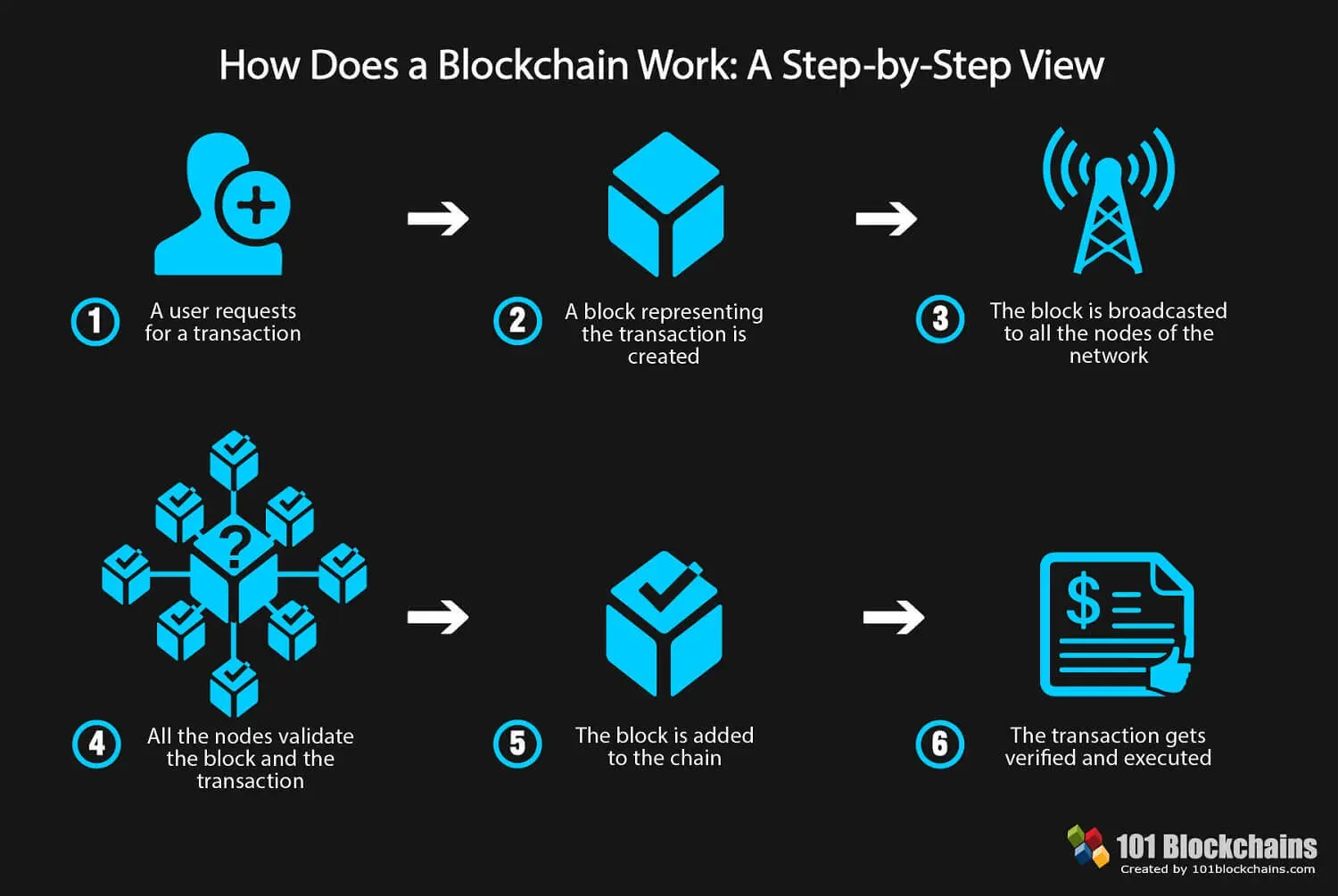
Blockchain voting leverages the inherent security and transparency of blockchain technology to create a more reliable and auditable election process. Think of a blockchain as a digital ledger that is distributed across a network of computers. Each transaction, in this case, a vote, is recorded as a "block" and added to the chain.Once a block is added, it cannot be altered or deleted, making the blockchain virtually tamper-proof. This immutability is key to ensuring the integrity of election results. In a blockchain voting system, each registered voter would be assigned a unique digital identity, which they would use to cast their ballot. The vote would then be encrypted and recorded as a transaction on the blockchain. The system would also provide a mechanism for voters to verify that their vote has been recorded correctly, without revealing their identity. This transparency is crucial for building trust in the election process. Moreover, blockchain voting can potentially reduce the cost of elections by automating many of the manual processes involved in traditional voting systems, such as printing and distributing ballots, setting up polling places, and counting votes. While challenges remain, such as ensuring accessibility for all voters and addressing concerns about cybersecurity, the potential benefits of blockchain voting are significant. It offers a pathway to a more secure, transparent, and efficient election process, one that can help restore public trust in democracy.
History and Myths Surrounding Blockchain Voting
The idea of using blockchain technology for voting isn't entirely new. Early experiments date back several years, with various pilot projects exploring the feasibility and potential of blockchain voting systems. However, the concept gained significant traction in recent years due to growing concerns about election security and the increasing accessibility of blockchain technology. One common myth surrounding blockchain voting is that it's a silver bullet solution that will instantly solve all the problems with elections. While blockchain offers significant advantages, it's not a panacea. It's crucial to understand the limitations and challenges associated with implementing blockchain voting systems. Another myth is that blockchain voting is inherently anonymous. While blockchain can provide a high degree of privacy, it's not necessarily anonymous. Depending on the implementation, it may be possible to link votes to individual voters. Therefore, it's essential to carefully design blockchain voting systems to protect voter privacy. Furthermore, some people believe that blockchain voting is too complex and difficult for the average voter to understand. While it's true that blockchain technology can be complex, the user interface for a blockchain voting system can be designed to be simple and intuitive. The key is to focus on user experience and make the voting process as easy as possible. Despite these myths, the potential of blockchain voting to transform elections is undeniable. By addressing the challenges and dispelling the myths, we can pave the way for a more secure, transparent, and accessible voting process.
The Hidden Secret of Blockchain's Secure Elections
The true power of blockchain in securing elections lies not just in its immutability and transparency, but in its ability to foster trust. In a world where disinformation and distrust are rampant, blockchain offers a way to verify the integrity of the election process in a way that is accessible to everyone. The "hidden secret" is that blockchain empowers voters to become active participants in ensuring the fairness of elections. They can independently verify that their vote has been recorded correctly and that the overall results are accurate. This level of transparency and verifiability can help restore public confidence in democracy. Furthermore, blockchain can help prevent voter fraud by making it virtually impossible to cast multiple votes or tamper with ballots. The decentralized nature of blockchain means that there is no single point of failure, making it much more difficult for hackers to compromise the system. However, it's important to note that blockchain is not a perfect solution. There are still challenges to overcome, such as ensuring accessibility for all voters and addressing concerns about cybersecurity. But the potential benefits of blockchain in securing elections are undeniable. By embracing this technology, we can create a more transparent, secure, and trustworthy election process, one that empowers voters and strengthens our democratic institutions.
Recommendations for Implementing Blockchain Voting
Before diving headfirst into blockchain voting, careful planning and consideration are essential. Start with pilot programs in smaller communities to test the technology and identify any potential issues. These pilot programs should focus on user experience, security, and accessibility. It's also crucial to educate voters about blockchain technology and how the voting system works. Transparency is key to building trust and ensuring that voters are comfortable using the system. In addition, security audits should be conducted regularly to identify and address any vulnerabilities. The blockchain voting system should be designed with security in mind from the outset, and rigorous testing should be performed to ensure that it is resistant to attack. Moreover, it's important to consider the legal and regulatory framework for blockchain voting. Legislation may be needed to clarify the legality of blockchain voting and to establish standards for security and transparency. Finally, collaboration is essential. Governments, technology companies, and academic institutions should work together to develop and implement blockchain voting systems. By sharing knowledge and resources, we can ensure that blockchain voting is implemented in a way that benefits everyone.
Addressing Concerns About Voter Anonymity
One of the biggest concerns about blockchain voting is how to protect voter anonymity. After all, the right to a secret ballot is a cornerstone of democracy. One approach is to use cryptographic techniques to obscure the identity of voters while still allowing them to verify that their vote has been recorded correctly. Zero-knowledge proofs, for example, allow a voter to prove that they cast a valid ballot without revealing which candidate they voted for. Another approach is to use a multi-party computation protocol, which allows multiple parties to jointly compute a function without revealing their individual inputs. This can be used to count the votes without revealing how any individual voter voted. However, it's important to note that achieving perfect anonymity is extremely difficult, if not impossible. Even with the most sophisticated cryptographic techniques, there may still be ways to link votes to individual voters. Therefore, it's crucial to carefully design blockchain voting systems to minimize the risk of voter identification. This may involve using a combination of cryptographic techniques and procedural safeguards. Ultimately, the goal is to strike a balance between transparency and anonymity, ensuring that voters can verify the integrity of the election process without compromising their privacy.
Tips for a Successful Blockchain Voting Rollout
A successful blockchain voting rollout requires a multifaceted approach, encompassing technical expertise, user-centric design, and robust communication strategies. First and foremost, prioritize user experience. The voting interface should be intuitive and easy to navigate, even for those unfamiliar with blockchain technology. Provide clear instructions and readily available support to guide voters through the process. Secondly, conduct thorough security audits and penetration testing to identify and address any vulnerabilities in the system. Implement robust security measures to protect against hacking and ensure the integrity of the blockchain. Thirdly, engage with the community and address any concerns or misconceptions about blockchain voting. Host town hall meetings, webinars, and online forums to answer questions and build trust. Fourthly, ensure accessibility for all voters, including those with disabilities and those who lack access to technology. Provide alternative voting methods, such as paper ballots or in-person voting stations, to accommodate those who cannot or prefer not to use the blockchain voting system. Fifthly, monitor the system closely during the election to identify and address any issues that may arise. Have a plan in place to respond to emergencies and ensure that the election proceeds smoothly. By following these tips, you can increase the likelihood of a successful blockchain voting rollout and build trust in the integrity of the election process.
Accessibility Considerations for Blockchain Voting
Ensuring accessibility is paramount when implementing blockchain voting. Accessibility must be considered from the start, with features integrated into the system to accommodate individuals with disabilities. Provide alternatives to visual interfaces. Screen readers should be fully compatible with the voting platform, enabling visually impaired voters to navigate and cast their ballots independently. Offer audio descriptions of visual elements to further enhance accessibility. Ensure keyboard navigability. The voting platform should be fully navigable using a keyboard alone, without requiring a mouse or other pointing device. This is essential for voters with motor impairments. Provide sufficient contrast between text and background colors to improve readability for voters with low vision. Use clear and concise language. Avoid technical jargon and complex sentence structures to make the voting instructions easy to understand for voters with cognitive disabilities. Offer multilingual support. Translate the voting platform and instructions into multiple languages to accommodate voters who are not fluent in English. Provide technical support. Offer readily available technical support to assist voters with disabilities who may encounter difficulties using the blockchain voting system. By addressing these accessibility considerations, you can ensure that blockchain voting is inclusive and accessible to all voters, regardless of their abilities.
Fun Facts About Blockchain and Elections
Did you know that Estonia was one of the first countries to experiment with blockchain technology in its e-Residency program, paving the way for potential future applications in voting? Or that several startups are actively developing innovative blockchain voting solutions, each with its own unique approach to security and transparency? One fun fact is that the very nature of blockchain, being decentralized, makes it incredibly resistant to traditional forms of election interference. Think about it: there's no single point of failure to attack! Another intriguing aspect is the potential for increased voter turnout. By making voting more convenient and accessible, blockchain could encourage more people to participate in the democratic process. Imagine casting your ballot securely from the comfort of your own home! Finally, consider the impact on election audits. Blockchain's transparency would allow for independent verification of election results, eliminating much of the ambiguity and doubt that can plague traditional election systems. It's a fascinating field with the potential to reshape the future of democracy as we know it.
How To Use Blockchain for Voting?
Using blockchain for voting involves several key steps, starting with voter registration. A secure and reliable system is needed to verify the identity of voters and assign them unique digital identities. This could involve using biometric data, government-issued IDs, or other methods of authentication. Next, a blockchain-based voting platform is created. This platform should be designed with security and user experience in mind. It should be easy to navigate and understand, even for those who are not familiar with blockchain technology. Voters then use their digital identities to cast their ballots on the blockchain voting platform. Each vote is encrypted and recorded as a transaction on the blockchain. The system should provide a mechanism for voters to verify that their vote has been recorded correctly, without revealing their identity. After the election, the votes are counted using a secure and transparent process. The results are then published on the blockchain, where they can be independently verified by anyone. It's important to note that implementing blockchain voting is a complex undertaking that requires careful planning and execution. It's also important to address concerns about voter anonymity and accessibility.
What If Blockchain Revolutionized Voting?
Imagine a world where election results are available almost instantaneously and are completely transparent, eliminating any room for doubt or manipulation. With blockchain, this could become a reality. Voter turnout could skyrocket due to the ease and convenience of online voting, empowering more citizens to participate in the democratic process. The costs associated with running elections could be significantly reduced, freeing up resources for other important priorities. Furthermore, the risk of voter fraud would be drastically minimized, ensuring that every vote truly counts. However, it's important to acknowledge that blockchain is not a perfect solution and challenges would still exist. Ensuring accessibility for all voters, regardless of their technological proficiency or access to the internet, would be crucial. Addressing cybersecurity threats and protecting voter privacy would remain paramount. Despite these challenges, the potential benefits of blockchain in revolutionizing voting are undeniable. It could usher in a new era of trust, transparency, and participation in democracy.
Listicle: Top 5 Benefits of Blockchain Voting
Here's a quick rundown of the top 5 benefits of using blockchain for voting:
1. Enhanced Security: Blockchain's immutability makes it virtually impossible to tamper with election results.
2. Increased Transparency: Anyone can verify the integrity of the election process, building trust in the system.
3. Improved Voter Turnout: Online voting makes it easier and more convenient for people to participate in elections.
4. Reduced Costs: Automating many of the manual processes involved in traditional elections can save money.
5. Greater Accountability: Blockchain provides a clear and auditable record of every vote, ensuring accountability.
While challenges remain, these benefits highlight the transformative potential of blockchain in securing and improving our elections.
Question and Answer about Blockchain for Voting
Q: Is blockchain voting truly secure?
A: Blockchain offers enhanced security compared to traditional methods, but no system is completely foolproof. Proper implementation, including robust encryption and security audits, is crucial to minimizing vulnerabilities.
Q: How does blockchain voting ensure voter anonymity?
A: Cryptographic techniques like zero-knowledge proofs can be used to verify that a voter is eligible to vote without revealing their identity or how they voted.
Q: What are the challenges to implementing blockchain voting?
A: Challenges include ensuring accessibility for all voters, addressing cybersecurity threats, and navigating legal and regulatory hurdles.
Q: Will blockchain voting completely eliminate election fraud?
A: While blockchain can significantly reduce the risk of fraud, it's not a panacea. It's essential to combine blockchain with other security measures and election best practices.
Conclusion of Blockchain for Voting
Blockchain technology holds immense potential to transform elections, making them more secure, transparent, and accessible. While challenges remain, the benefits of blockchain voting are undeniable. By embracing this technology, we can strengthen our democratic institutions and restore public trust in the election process. It's time to explore the possibilities and pave the way for a future where every vote truly counts.
