
Imagine a world where every product's journey, from its raw materials to your doorstep, is completely transparent and secure. That's the promise blockchain holds for the supply chain industry, and it's closer than you think.
Today's supply chains are often complex webs of suppliers, manufacturers, distributors, and retailers. This complexity can lead to several operational challenges, including difficulties tracking products, verifying authenticity, and managing inefficiencies. These can result in increased costs, delays, and even opportunities for fraud.
Over the next decade, blockchain technology is poised to revolutionize supply chains by providing an immutable and transparent record of every transaction and movement. This transformation will involve enhanced traceability, improved efficiency, increased security, and greater trust among stakeholders. Ultimately, blockchain will create more resilient, responsive, and customer-centric supply chains.
In essence, we're looking at a future where blockchain tackles inefficiencies head-on, boosts transparency, fortifies security, and builds trust across the entire supply chain ecosystem. Think enhanced tracking, streamlined processes, counterfeit protection, and stronger collaboration—all powered by blockchain technology.
Enhanced Traceability and Transparency
I remember a time when tracking a package felt like shouting into the void. You'd get a tracking number, maybe an update or two, and then…nothing. You were left wondering if your package was lost, delayed, or simply sitting in a warehouse somewhere. This lack of visibility is a huge frustration for consumers, and it's even more problematic for businesses managing complex supply chains.
Blockchain offers a radical improvement by providing a shared, immutable ledger where every transaction is recorded. Imagine scanning a product at each stage of its journey – from the farm to the factory, from the distribution center to the store. All of that information is captured on the blockchain, creating a complete and verifiable history of the product. This level of traceability allows businesses to quickly identify the source of problems, such as delays or defects. It also helps to combat counterfeiting by allowing consumers to verify the authenticity of products.
Enhanced traceability and transparency are key benefits. Blockchain allows tracking products from origin to consumer, ensuring authenticity and reducing fraud. This enhanced visibility builds trust and accountability throughout the supply chain. The improved tracking capabilities of blockchain can dramatically reduce the time and resources spent on tracing products, particularly in situations involving recalls or disputes. This capability also allows businesses to provide consumers with detailed information about the origin, ingredients, and ethical sourcing of products, meeting growing consumer demand for transparency.
Improved Efficiency and Reduced Costs
Efficiency in supply chains is not just about speed; it's about optimizing every step to eliminate waste and reduce costs. Traditional supply chains often suffer from inefficiencies due to manual processes, paperwork, and a lack of real-time visibility. These inefficiencies can lead to delays, errors, and increased operational costs.
Blockchain technology can streamline supply chain processes by automating tasks, reducing paperwork, and providing real-time visibility into inventory levels and product movements. Smart contracts, self-executing agreements written into the blockchain, can automate tasks such as payment processing and order fulfillment. This automation reduces the need for manual intervention, minimizing errors and accelerating transaction times. By providing a single source of truth for all stakeholders, blockchain can also eliminate disputes and reduce the need for reconciliation processes. This level of efficiency translates into significant cost savings for businesses throughout the supply chain.
Improved efficiency and reduced costs are significant advantages. Blockchain streamlines processes, automates tasks, and eliminates paperwork. This not only reduces operational expenses but also accelerates transaction times. Smart contracts, which automate tasks like payment processing, further improve efficiency and reduce the potential for errors. Overall, blockchain helps create a more agile and cost-effective supply chain.
Enhanced Security and Counterfeit Protection
The history of supply chains is riddled with instances of counterfeiting and fraud. From fake pharmaceuticals to substandard electronics, counterfeit products pose a serious threat to consumer safety and brand reputation. Traditional methods of detecting and preventing counterfeiting are often slow, expensive, and ineffective.
Blockchain offers a powerful solution by providing an immutable record of product provenance. Each product can be assigned a unique digital identity on the blockchain, making it easy to verify its authenticity. Any attempt to tamper with the product or its documentation will be immediately detectable, deterring counterfeiters and protecting consumers. This enhanced security not only protects consumers but also safeguards the brand reputation of businesses.
Enhanced security and counterfeit protection are paramount. Blockchain creates an immutable record of product origin, making it easy to verify authenticity. This helps combat counterfeiting and protects consumers from fake products. By assigning a unique digital identity to each product on the blockchain, businesses can ensure that any tampering or alteration is immediately detectable, providing an unparalleled level of security and confidence in product authenticity.
Increased Trust and Collaboration
The hidden secret to a successful supply chain is trust. When all stakeholders trust each other and have access to the same information, collaboration becomes easier, and the entire system operates more efficiently. However, in many traditional supply chains, trust is often lacking due to a lack of transparency and accountability.
Blockchain fosters trust and collaboration by providing a shared, immutable ledger that all stakeholders can access. This shared visibility eliminates information asymmetry and allows businesses to make more informed decisions. By creating a transparent and accountable system, blockchain encourages collaboration and strengthens relationships between suppliers, manufacturers, distributors, and retailers. This increased trust leads to more efficient operations, reduced costs, and improved customer satisfaction.
Increased trust and collaboration are fundamental. Blockchain provides a shared, immutable ledger that all stakeholders can access, fostering transparency and trust. This promotes better collaboration and stronger relationships throughout the supply chain. The shared visibility also helps to resolve disputes more quickly and efficiently, as all parties have access to the same verifiable information.
Real-World Applications of Blockchain in Supply Chain
Consider a global coffee bean supply chain. From the farmers in remote regions to the consumers enjoying their morning brew, each step involves numerous players. Blockchain can track the beans from the farm, recording details like harvest date, location, and organic certification. As the beans move through processing, packaging, and shipping, each transaction is added to the blockchain, creating a complete history. This allows consumers to scan a QR code on their coffee bag and see exactly where their beans came from, ensuring fair trade practices and organic certification. This increased transparency also builds consumer trust and brand loyalty.
Tips for Implementing Blockchain in Your Supply Chain
The journey to implementing blockchain in your supply chain can seem daunting, but it doesn't have to be. The key is to start small, focus on a specific use case, and build from there. Begin by identifying a problem area in your supply chain where blockchain can have the most impact, such as tracking high-value goods or verifying the authenticity of products. Conduct a thorough assessment of your current infrastructure and identify any gaps that need to be addressed. Choose a blockchain platform that aligns with your specific needs and budget. Most importantly, collaborate with your stakeholders and build a strong team with the necessary technical expertise.
Successfully implementing blockchain in a supply chain requires careful planning and execution. Start with a pilot project to test the technology and learn from the experience. Focus on a specific use case, such as tracking high-value goods, to demonstrate the value of blockchain. Ensure that all stakeholders are involved in the process and have access to the necessary training and resources. As you gain experience, you can gradually expand the use of blockchain to other areas of your supply chain. Remember, blockchain is not a silver bullet, and it's important to integrate it with your existing systems and processes.
Overcoming Challenges in Blockchain Implementation
Like any new technology, blockchain implementation comes with its share of challenges. Scalability, interoperability, and regulatory uncertainty are some of the key hurdles that businesses need to overcome. Scalability refers to the ability of the blockchain network to handle a large volume of transactions. Interoperability refers to the ability of different blockchain networks to communicate with each other. Regulatory uncertainty refers to the lack of clear legal and regulatory frameworks for blockchain technology. To address these challenges, businesses need to invest in scalable blockchain platforms, collaborate on interoperability standards, and engage with regulators to shape the future of blockchain regulation.
Fun Facts About Blockchain and Supply Chain
Did you know that some companies are using blockchain to track the journey of diamonds from the mine to the retailer, ensuring that they are ethically sourced and conflict-free? Or that blockchain is being used to combat food fraud by tracking the origin and authenticity of agricultural products? The possibilities are endless. The intersection of blockchain and supply chain is a hotbed of innovation, with new applications emerging all the time. From tracking pharmaceuticals to managing shipping containers, blockchain is transforming the way goods are moved around the world.
Fun fact: the first real-world supply chain application of blockchain was in the diamond industry, aiming to track diamonds from mine to market and ensure ethical sourcing. Another interesting application is in the food industry, where blockchain is used to trace the origin of ingredients and combat food fraud. These examples highlight the versatility and potential of blockchain to revolutionize various aspects of the supply chain.
How to Prepare Your Business for Blockchain in the Supply Chain
The best way to prepare your business for blockchain in the supply chain is to educate yourself and your team about the technology. Attend industry events, read articles and reports, and experiment with blockchain platforms. Start small with pilot projects and gradually expand your use of blockchain as you gain experience. Collaborate with your stakeholders and build a strong team with the necessary technical expertise. Most importantly, be patient and persistent. Blockchain implementation is a journey, not a destination, and it takes time and effort to realize its full potential.
Preparing for blockchain involves education, experimentation, and collaboration. Start by educating your team about blockchain technology and its potential applications in the supply chain. Experiment with pilot projects to test the technology and identify potential use cases. Collaborate with your suppliers, customers, and other stakeholders to develop blockchain solutions that benefit everyone. Remember to be patient and persistent, as blockchain implementation is a long-term process.
What If Blockchain Fails to Transform the Supply Chain?
While the potential of blockchain in the supply chain is undeniable, it's important to consider the possibility that it might not live up to its hype. Several factors could hinder its adoption, including scalability issues, interoperability challenges, regulatory uncertainty, and resistance from stakeholders. If blockchain fails to deliver on its promises, the supply chain industry may need to explore alternative technologies, such as artificial intelligence and machine learning, to address its challenges. However, even if blockchain doesn't completely revolutionize the supply chain, it's likely to have a lasting impact by driving greater transparency, efficiency, and security.
If blockchain doesn't transform the supply chain as anticipated, the industry may need to explore alternative technologies to address its challenges. These technologies could include artificial intelligence, machine learning, and the Internet of Things. However, even if blockchain doesn't completely revolutionize the supply chain, it's likely to have a lasting impact by driving greater transparency, efficiency, and security. The lessons learned from blockchain implementation can inform the development and adoption of other technologies in the supply chain.
Top 5 Ways Blockchain Will Reshape Supply Chains
Here’s a quick list of the top five ways blockchain will reshape supply chains: 1) Enhanced Traceability: Track products from origin to consumer. 2) Improved Efficiency: Automate tasks and reduce paperwork. 3) Enhanced Security: Combat counterfeiting and protect consumers. 4) Increased Trust: Foster collaboration and transparency. 5) Reduced Costs: Streamline processes and eliminate waste. These five areas represent the core benefits of blockchain technology and its transformative potential for the supply chain industry.
Here's a listicle summarizing the key ways blockchain will reshape supply chains: 1. Enhanced Traceability: Enabling end-to-end product tracking and verification.
2. Improved Efficiency: Streamlining processes through automation and smart contracts.
3. Enhanced Security: Preventing counterfeiting and ensuring product integrity.
4. Increased Trust: Fostering collaboration and transparency among stakeholders.
5. Reduced Costs: Lowering operational expenses and improving overall supply chain efficiency.
Question and Answer
Q: How does blockchain ensure data security in the supply chain?
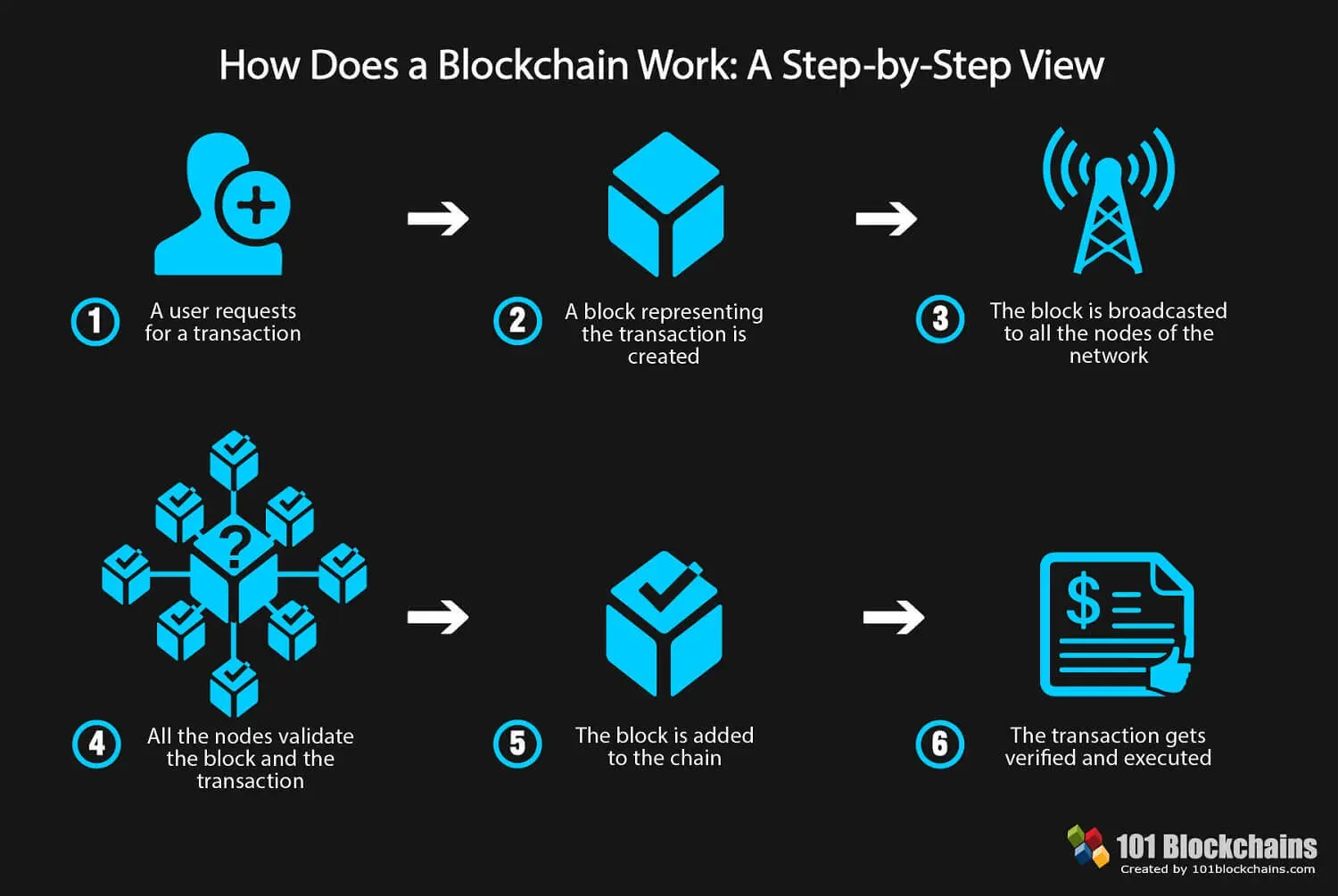
A: Blockchain uses cryptography and a distributed ledger system to ensure data security. Each transaction is encrypted and added to a block, which is then linked to the previous block, creating a chain. This chain is replicated across multiple computers, making it virtually impossible to tamper with the data.
Q: What are the main benefits of using smart contracts in the supply chain?
A: Smart contracts automate tasks such as payment processing and order fulfillment, reducing the need for manual intervention and minimizing errors. They also enforce contractual agreements, ensuring that all parties comply with the terms and conditions.
Q: How can blockchain help combat counterfeiting in the supply chain?
A: Blockchain allows businesses to assign a unique digital identity to each product, making it easy to verify its authenticity. Any attempt to tamper with the product or its documentation will be immediately detectable, deterring counterfeiters and protecting consumers.
Q: What are the key challenges to implementing blockchain in the supply chain?
A: Scalability, interoperability, and regulatory uncertainty are some of the key challenges that businesses need to overcome. Scalability refers to the ability of the blockchain network to handle a large volume of transactions. Interoperability refers to the ability of different blockchain networks to communicate with each other. Regulatory uncertainty refers to the lack of clear legal and regulatory frameworks for blockchain technology.
Conclusion of How Blockchain Will Transform the Supply Chain Industry in the Next Decade
The next decade promises a dramatic shift in supply chain management, with blockchain technology leading the charge. By fostering transparency, enhancing security, improving efficiency, and building trust, blockchain is poised to create more resilient, responsive, and customer-centric supply chains. While challenges remain, the potential benefits are too significant to ignore. As businesses embrace this transformative technology, they will unlock new opportunities for growth, innovation, and competitive advantage.
